
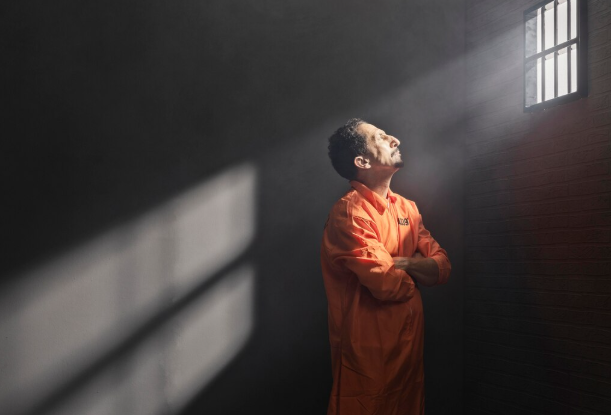
Have you ever wondered how people find strength when life feels unbearable? It could be during a crisis, a time when you feel alone, or when the world around you doesn’t seem to give much comfort. Islam is the answer for millions of Muslims. It is a faith that is not just about rituals, but also about strength, guidance, and peace of mind.
One reason this topic is so interesting is that Islam doesn’t avoid the hard parts of life. Instead, it gives believers tools, concepts, and practices that enable them to deal with problems directly. Islamic teachings continue to bring hope, whether it’s amid the quiet of a prison cell, the fear of being sick, or the burden of personal problems. Let’s look into why this faith has helped so many people, even when things are at their worst.
The Power of the Five Pillars
The Five Pillars of Islam are Shahada (faith), Salat (prayer), Zakat (charity), Sawm (fasting), and Hajj (pilgrimage). These things all remind us that hope can be renewed every day.
- Shahada reminds believers that no matter how hard life gets, there is always a higher purpose.
- Salat gives structure, carving out moments of peace and connection with Allah, even in the middle of chaos.
- Zakat inspires people to help each other and show that kindness can last even in tough times.
- Sawm teaches how to be patient and strong, showing that discipline may make the spirit stronger.
- Hajj, though not always physically possible, symbolizes unity and the idea of belonging to a larger community.
For someone facing confinement or personal hardship, these pillars are not abstract concepts; they are lifelines.
Finding Peace Through Prayer
Prayer is one of the most powerful parts of Islam. Muslims don’t just pray to ask for things; they also pray to give up, think, and start over. In the quiet repetition of words, believers often find comfort when everything else seems uncertain.
Think of someone who is alone, maybe because they don’t have any relatives or friends. When they pray to Allah, they are reminded that they are never really alone. Praying five times a day gives your heart a steady beat, which helps you avoid despair.
The Strength of Community
Another reason Islam sustains hope is its emphasis on community. Islam teaches people that they are part of something bigger than themselves, from Friday prayers to doing good deeds.
Muslims typically develop little groups of support, even while they are in prison and can’t be with other people physically. People can get through loneliness by praying together, reading the Quran together, or just talking about their beliefs. Community gives Christians strength and reminds them to stick to their principles even when things get tough.
Lessons From the Six Articles of Faith
Islam is based on six main beliefs in addition to the Five Pillars: faith in Allah, angels, prophets, holy writings, the Last Day, and the Divine Plan. All of these beliefs can make people feel better about themselves.
For instance, Muslims believe in the Last Day, which gives them hope that justice will win out, even if life seems unfair right now. Believing in Divine Will helps them feel like there is meaning in every fight, even when they can’t see it right away. These beliefs are like anchors in a storm that keep people steadfast when everything else appears shaky.
Discipline and Self-Control
Islam is especially encouraging because it tells its followers to see challenges as chances to progress. The faith instructs people to question, “What can I learn from this?” instead of “Why me?”
Islam also gives people hope by giving them a structure of rules. Muslims develop their willpower by fasting throughout Ramadan, observing prayer times, and being modest.
In places where people have no control, like prisons or places where people are antagonistic, these actions of self-discipline give them back a sense of control. This feeling of being in charge allows people who believe to get over their sadness and keep going with hope.
Faith as a Source of Identity and Dignity
One of the hardest things for people to deal with is the feeling of losing themselves. Islam combats this by providing a strong sense of identity. A Muslim knows who they are: a servant of Allah who is directed by faith, connected to their community, and protected by divine kindness.
This feeling of dignity is strong even in the worst situations. Faith gives you a sense of self-worth even when you don’t have material things, freedom, or recognition. It reminds believers that they are valued and that their lives hold meaning, no matter their situation.
Stories of Transformation
What makes this topic even more compelling are the personal stories of transformation. People who found Islam while they were at their lowest point often say that it offered them hope. They talk about how fasting helped them learn patience, praying helped them get stronger, and being with others helped them feel better.
These stories remind us that Islam is not just a religion practiced in ideal conditions. It is a light in the darkest areas, inspiring people to be strong, kind, and never give up. They show that faith may grow even when hope appears unachievable.
Hope Beyond Hardship
So, how does Islam sustain hope in the harshest conditions? It does this by giving structure through the Five Pillars, peace through prayer, strength through fellowship, and meaning through its core values. Most importantly, it reminds people who believe that they are never alone, no matter how hard life gets.
Abdul-Jihad Islam’s book “Practicing Islam in Prison and Society” is a good place to start if you want to learn more about how these ideas work in real life. This remarkable book not only outlines the main ideas of Islam, but it also shows how faith can change lives, even when you’re in prison. Finding courage, direction, and optimism in the face of adversity? This book is for you.